

Imagine yourselves as landscapes or a weather systems. Each detail constitutes a whole, but is simultaneously constituted by it. It may be impossible to imagine rain without clouds or a sea without depth. Likewise, Dr. Edward Bach perceived humans as wholes and not from the point of view of separate symptoms or illnesses. And as rolling waters or landscapes shape each other, he too believed that personal experiences, but also the societies in which we live, come to shape mental or spiritual states, which in their turn are expressed through our bodies.
In a few words, Dr. Bach connected spiritual / emotional health to the health of the body, approaching the latter as a mirror of the soul. This idea, is what current science calls the psychosomatic aspect of health.
More specifically the Bach remedies healing system:
Approaches all difficulties people face – either in terms of health or in their relationships – as expressions of disharmony between soul and spirit.
Focuses on the restoration of harmony by giving an emphasis on how we feel about a specific situation or how we perceive the world (and hence ourselves within it) in the here and now.
Belongs to vibrational therapies, as remedies do not contain each flower’s chemical components, but its vibration.
Is characterised by simplicity, so that each person can choose the appropriate remedies and thus actively take care body and soul.
Is comprised of 38 different flowers separated into 7 emotional categories.
Bach remedies sessions may take place outdoors or indoors. Online or in person. In Greek or in English.
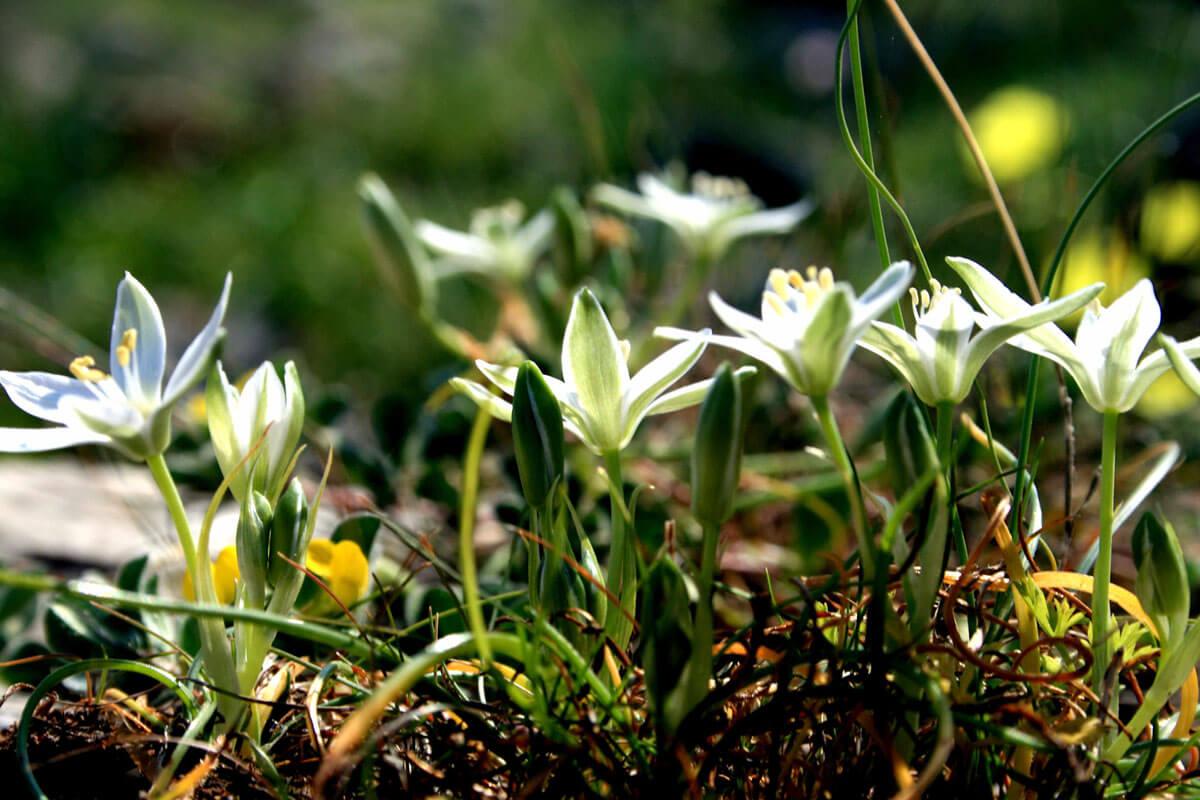
Dr. Bach discovered and developed a complete form of therapy based on flower remedies. It can be an alternative form of therapy (i.e. in order for a person to be able to process certain emotional situations) or a complementary one (i.e. in combination with any classical or alternative medical treatment or even in combination with the talking therapies).
A simple therapy system
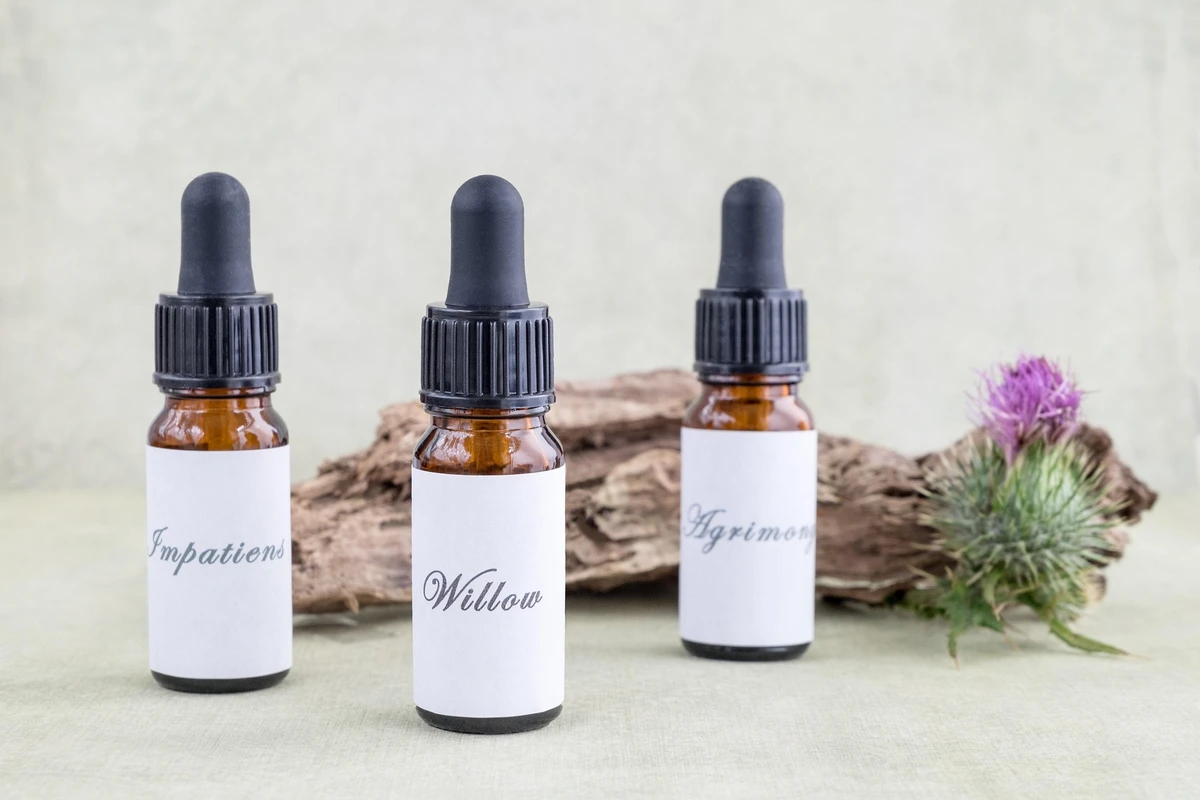
His method is simple and is comprised by 38 flower remedies, which in their turn are allocated into 7 different emotional categories:
- fear
- uncertainty
- loneliness
- discouragement / despair
- excessive worrying or care for the well-being of others
- hyper-sensitivity to the influences or ideas of others
- insufficient interest for situations of the present
Furthermore, he created a remedy combination, usually known as the rescue remedy, in order to deal with situations of crisis or intense anxiety. If needed it can be included in a person’s formula. It can be taken orally or applied onto the skin as a salve. Flower remedies are not only used for treating humans, but also animals and plants. They do not interact with other medicines or treatments and present no side-effects.
Kipos is offering individual sessions in the form of counseling or training for self-treatment, since Dr. Bach has created a therapeutic system that in its simplicity can be understood and assessed by everyone – besides, Dr. Bach was particularly interested in the notion of self-healing, as he believed that it is us who hold the key of personal health and the latter is always connected to the development of our self-awareness.
Kipos is also offering specialised seminars about the Bach flower remedies, addressing anyone who may be interested in the particular method as an aspect of personal healing, but also who is interested in including them in his/her professional activities (for instance social scientists working with other people).
Finally, Kipos in collaboration with other organizations, supports individuals who face social exclusion, offering its services for free.
Either in the form of counseling, education or social intervention, Bach flower remedies sessions can take place in person, but also online.
Dr. Bach’s books can be downloaded for free in The Bach Centre
For sessions and information, call +306975914941 on weekdays 10:00-14:00 & 17:00-20:00 or send an email to info@kipos.org.gr
YOU MIGHT ALSO LIKE: • Thinking of white chestnut